
 0
0
0
0
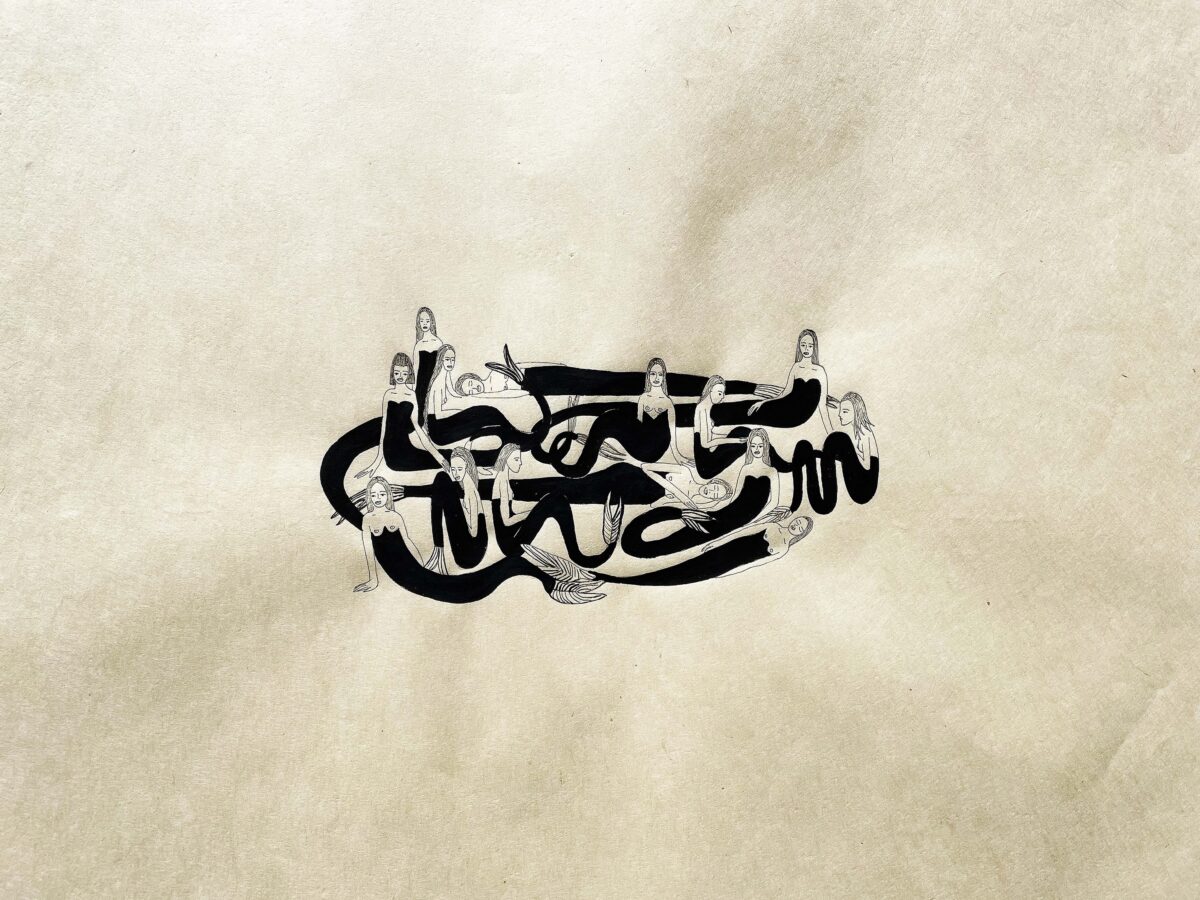
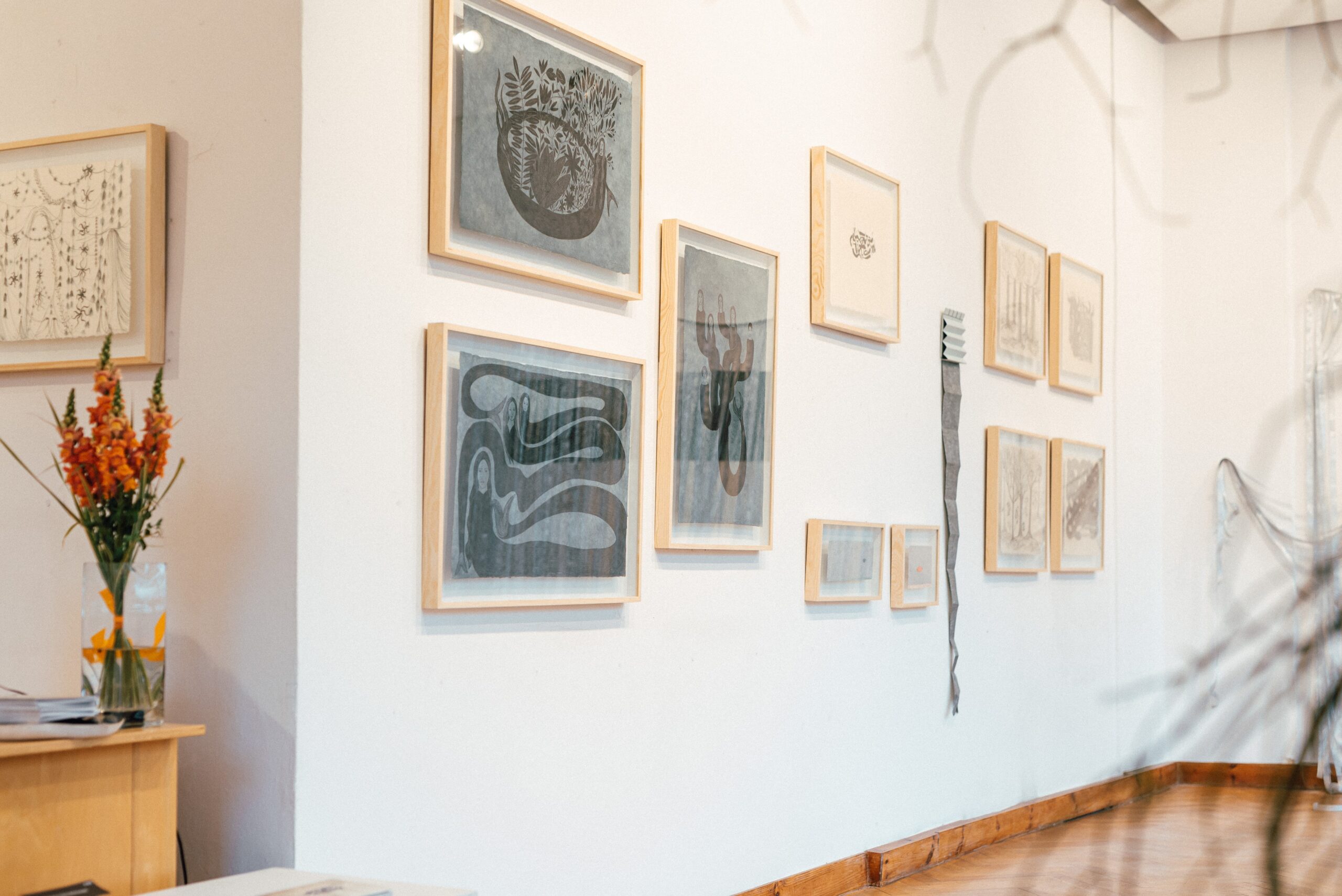
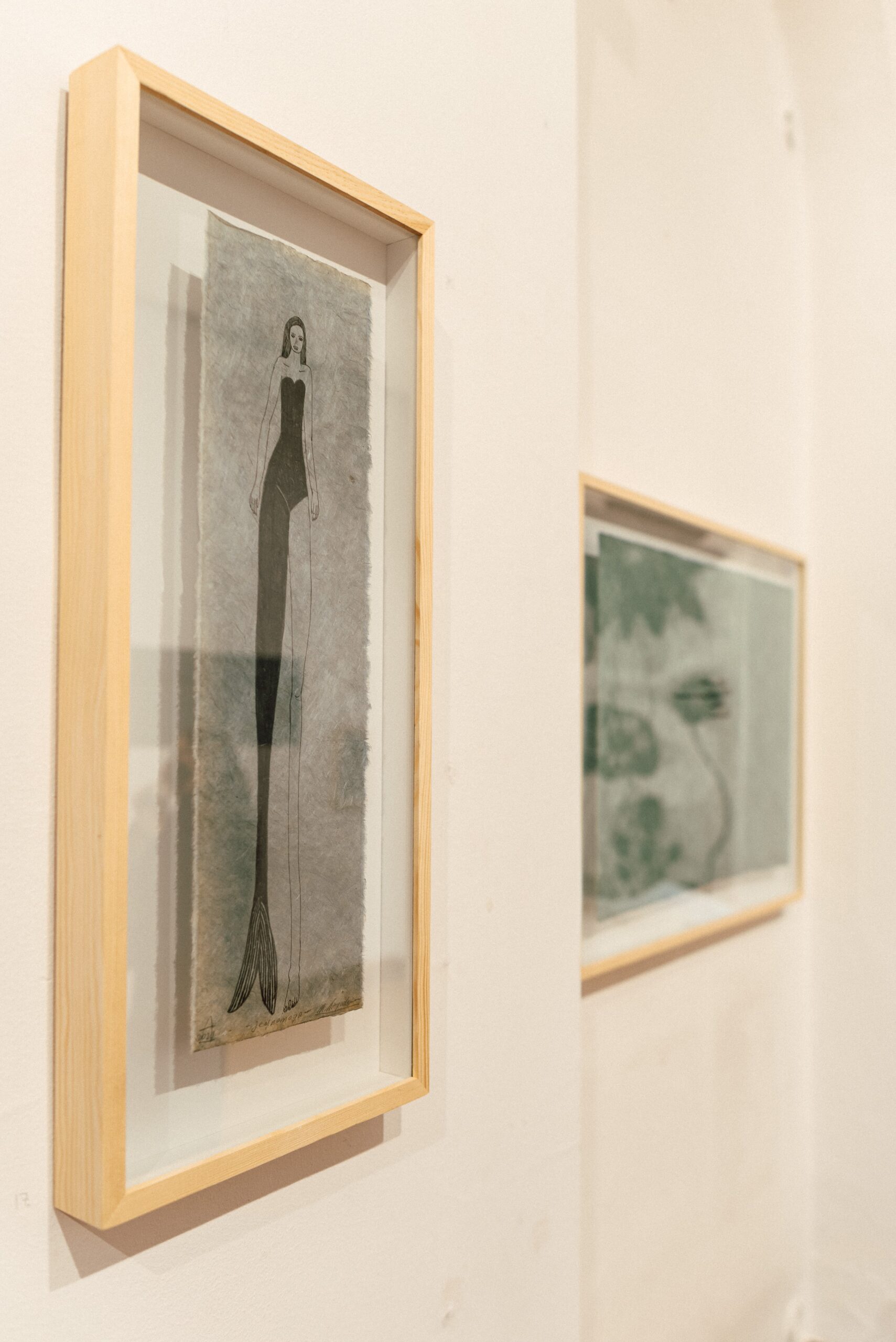
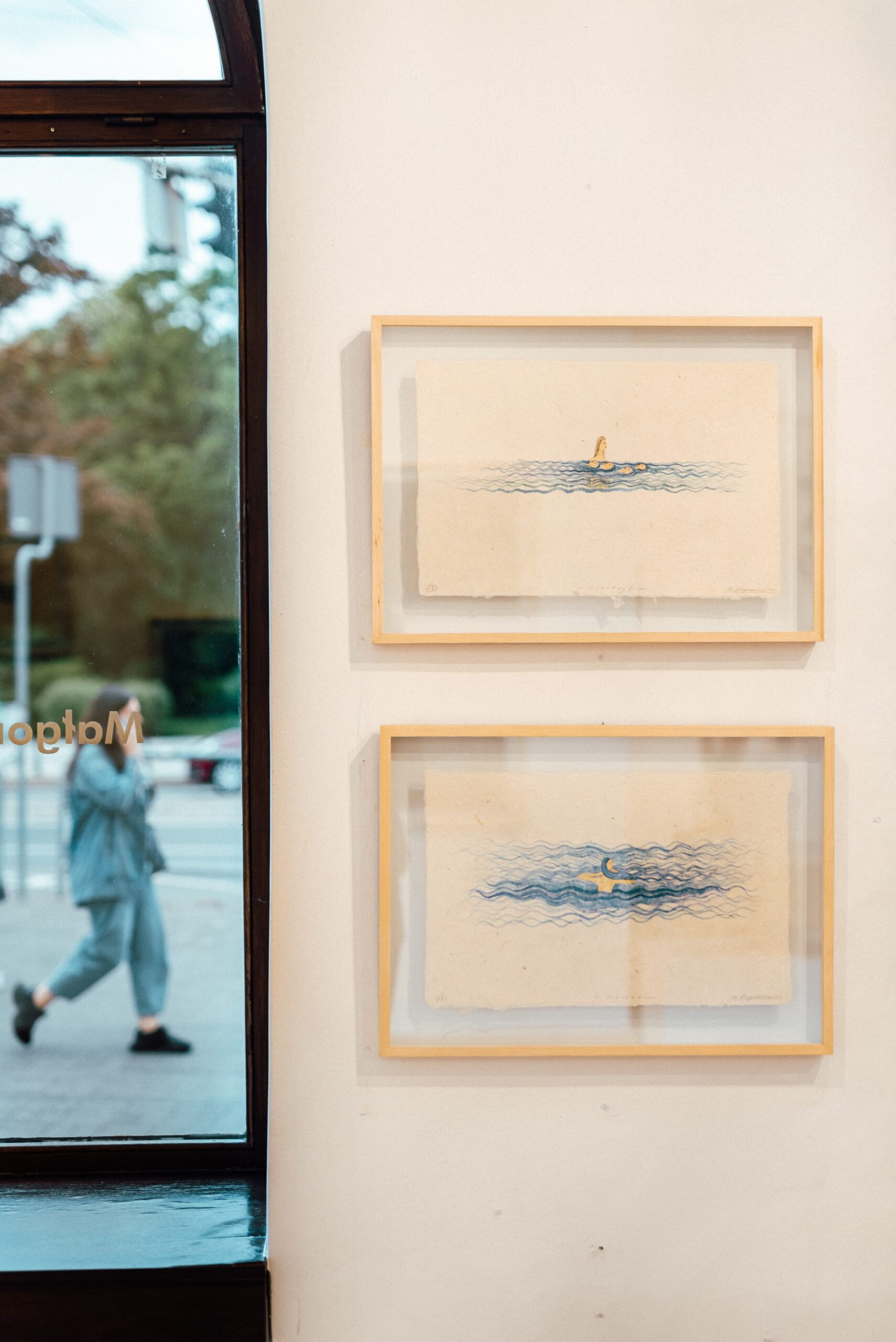
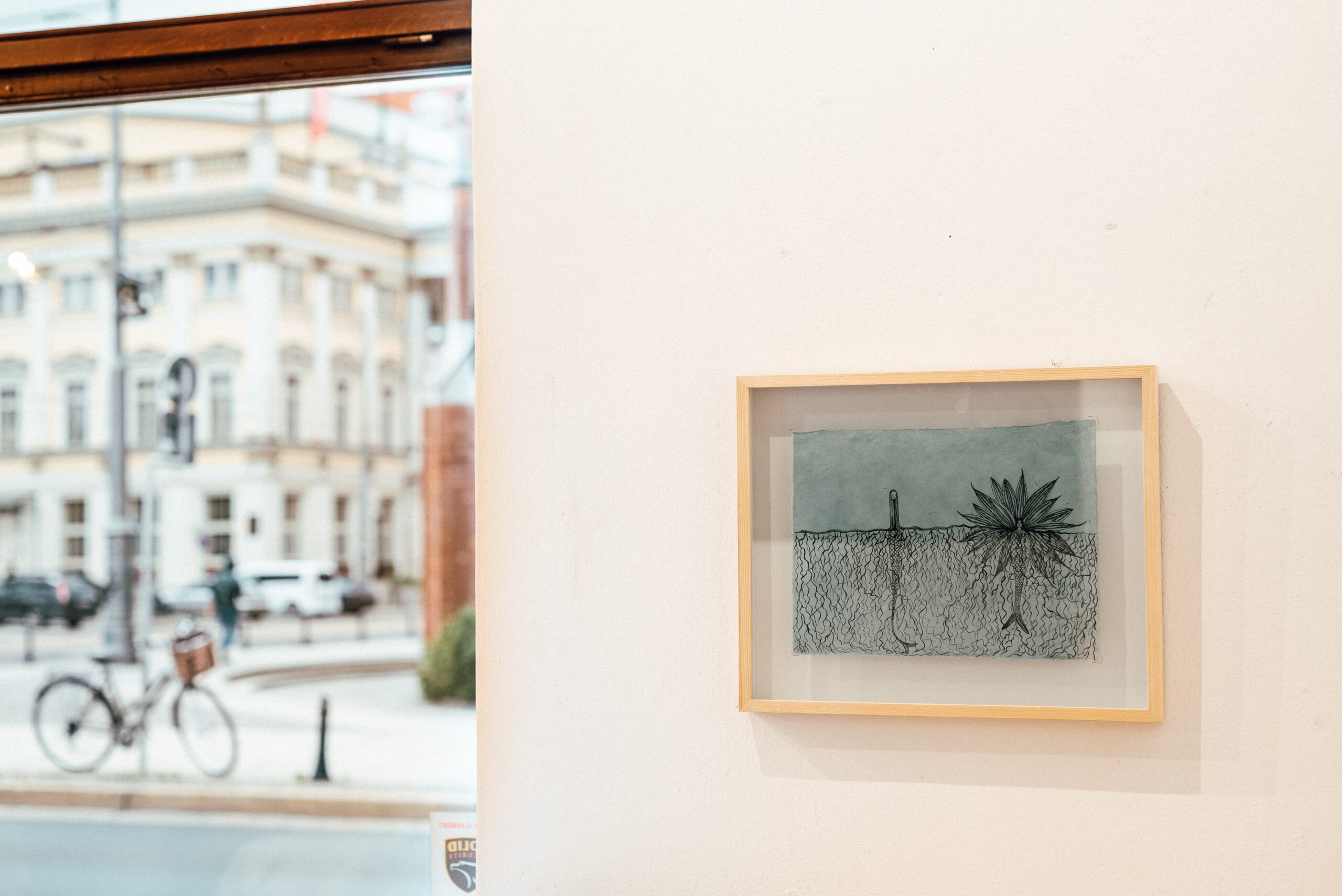
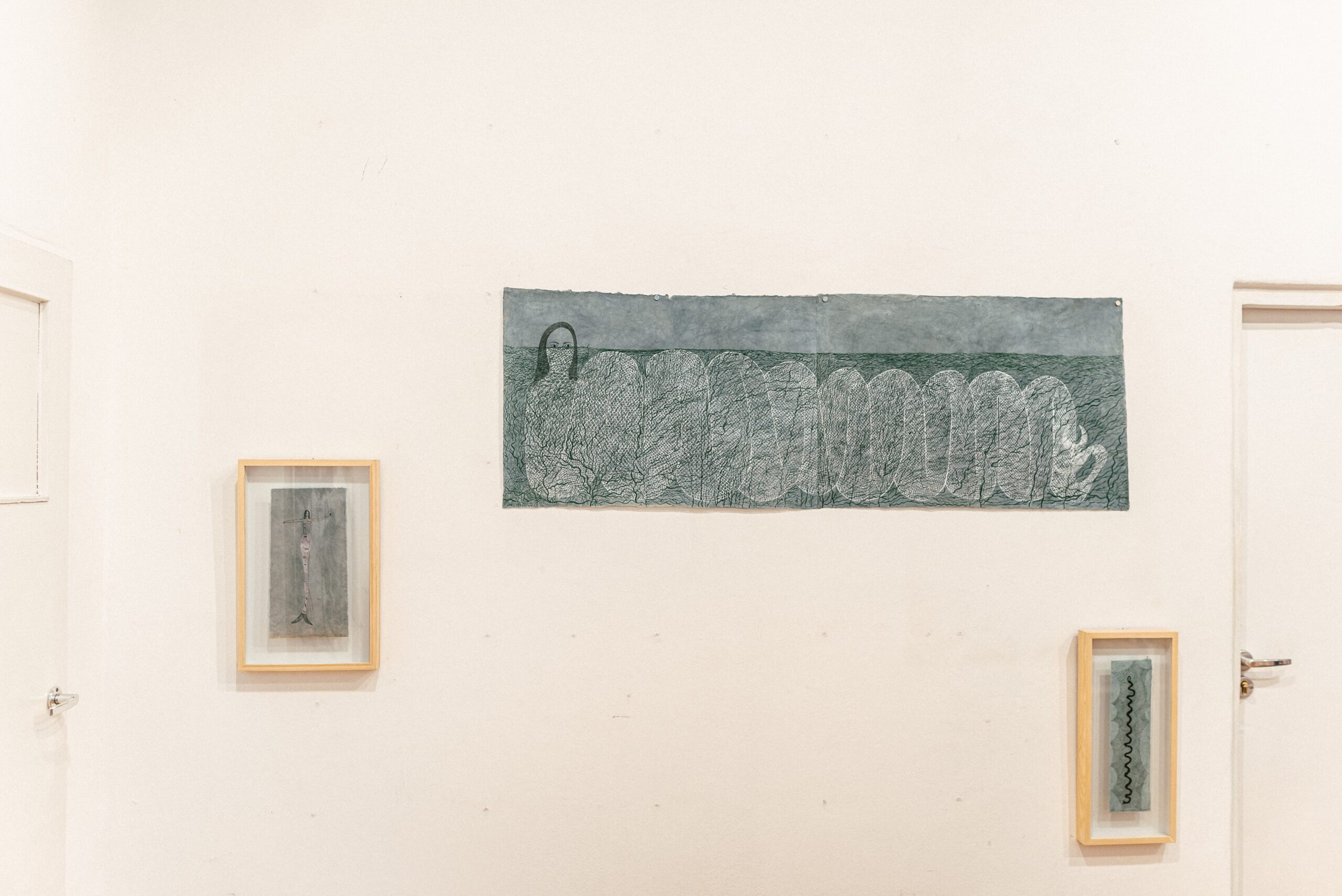
The newest artistic project of Małgorzata Malwina Niespodziewana, entitled SISTERS, takes us into the world of fairy tales known for generations (The Little Mermaid by Hans Christian Andersen or The Six Swans by the Brothers Grimm). She looks at these stories from a female perspective and directs her attention to elements that were originally pushed into the background: sisterly relations, sisterhood, empowering and supportive women’s circles, and also the stereotypical representations of female characters in fairy tales. The artist is interested in the non-obvious, hence the main protagonist of the exhibition – a mermaid – neither a woman, nor a fish. A mermaid can symbolize beauty, fertility or emancipated sensuality, but she is also an omen, a threat, a dark and uncontrollable entity. Mermaids appear in the history of literature and art as metaphorical representations of women, where allure on the outside opposes inner darkness and evil intentions (male gaze). The SISTERS project presents a different point of view and draws a woman as a complex and multidimensional character, who is also social and supportive of other women in the community of the eponymous sisters.
The original The Little Mermaid is not an easy read. We meet a girl who is put to a huge test in order to achieve her dreams. The mermaid abandons her family, home and comfort, gives up her voice (by being brutally mutilated), agrees to live in constant pain (her every step and movement feels as if she were stepping on a knife), and all this for the possibility of living on earth, among people, for the love of a man and the immortality of her soul. Her desire to explore the world beyond the confines of her home and her spiritual needs are impressive. However, the obstacles she must overcome: disability, chronic pain and murder, are horrific. It is her sisters who try to ease her suffering, they swim to the surface everyday to sing to their lost relative and lift her spirits. They make a deal with the underwater witch to save their sister’s life, when the prince decides to marry someone else – they give up their beautiful hair in exchange for a knife with which their sister can murder the prince to save herself.
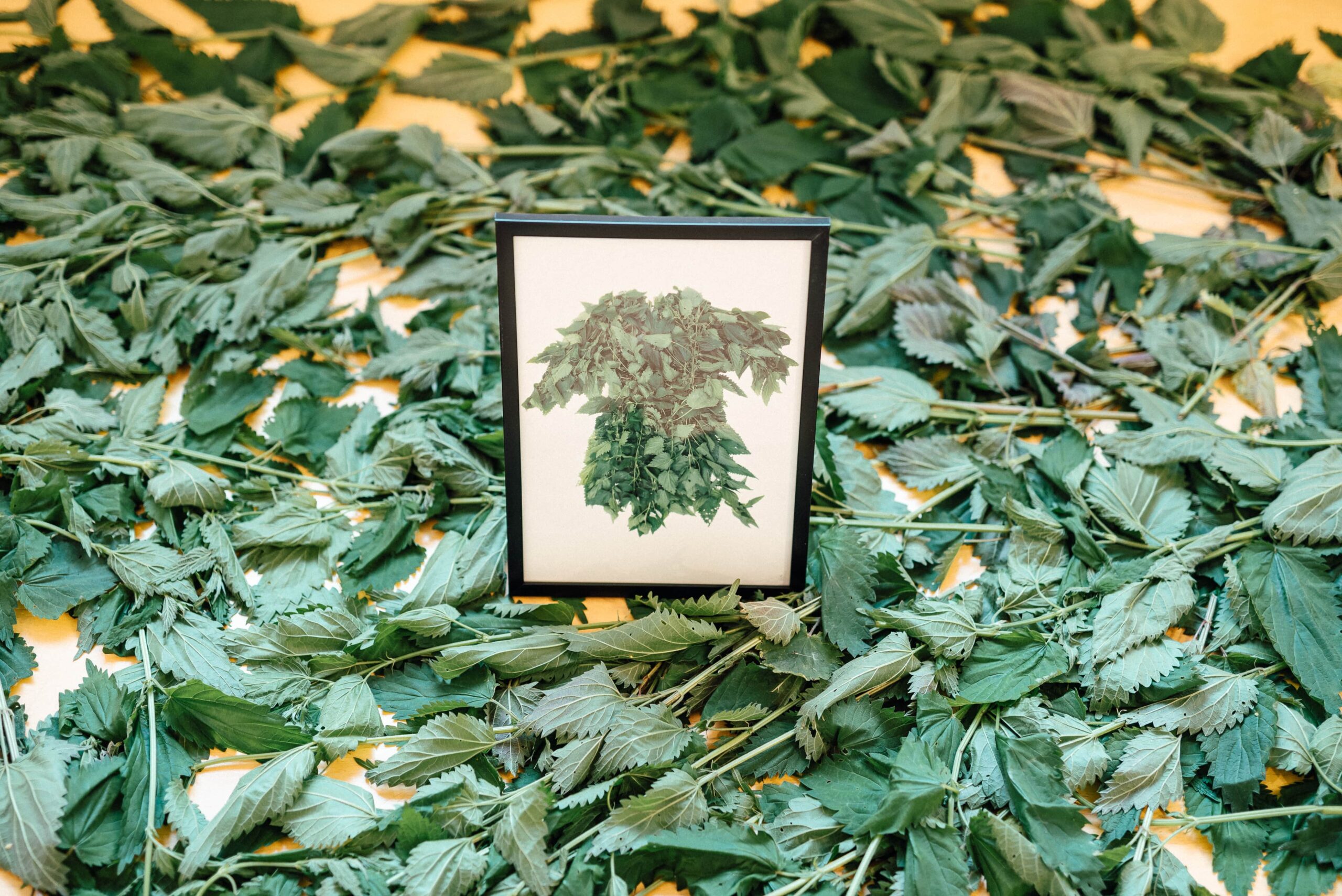
The heroine of the Grimm fairy tale is the sister of six boys turned into swans by their evil stepmother. In order to help them and break the spell, she cannot speak or smile for six years, but has to make shirts for them using plants found in the forest. She almost loses her life because of all this, and endures every torment in silence, including her mother-in-law kidnapping her three newborn sons one by one and accusing her of infanticide, a trial, and a death sentence by burning at the stake.
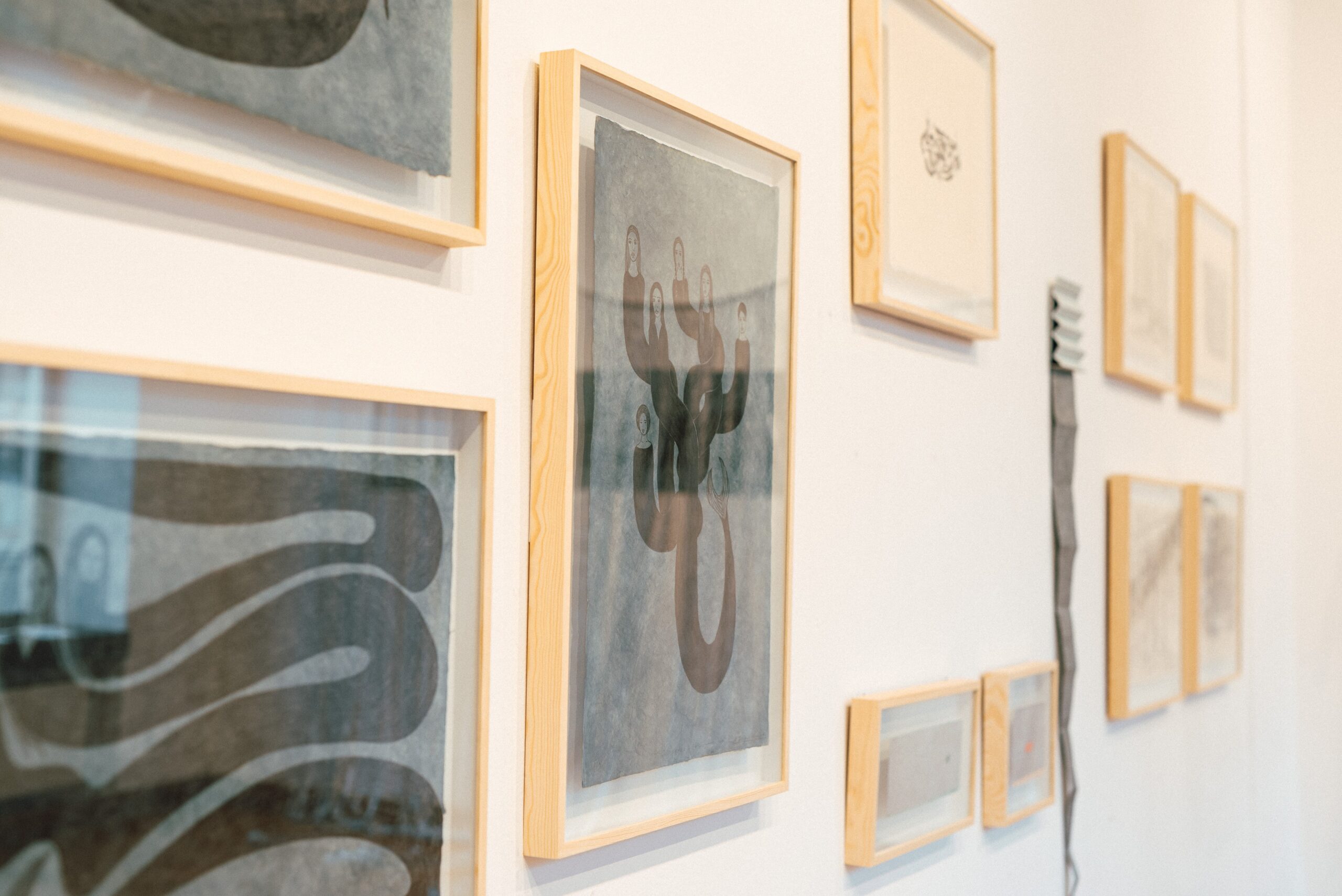
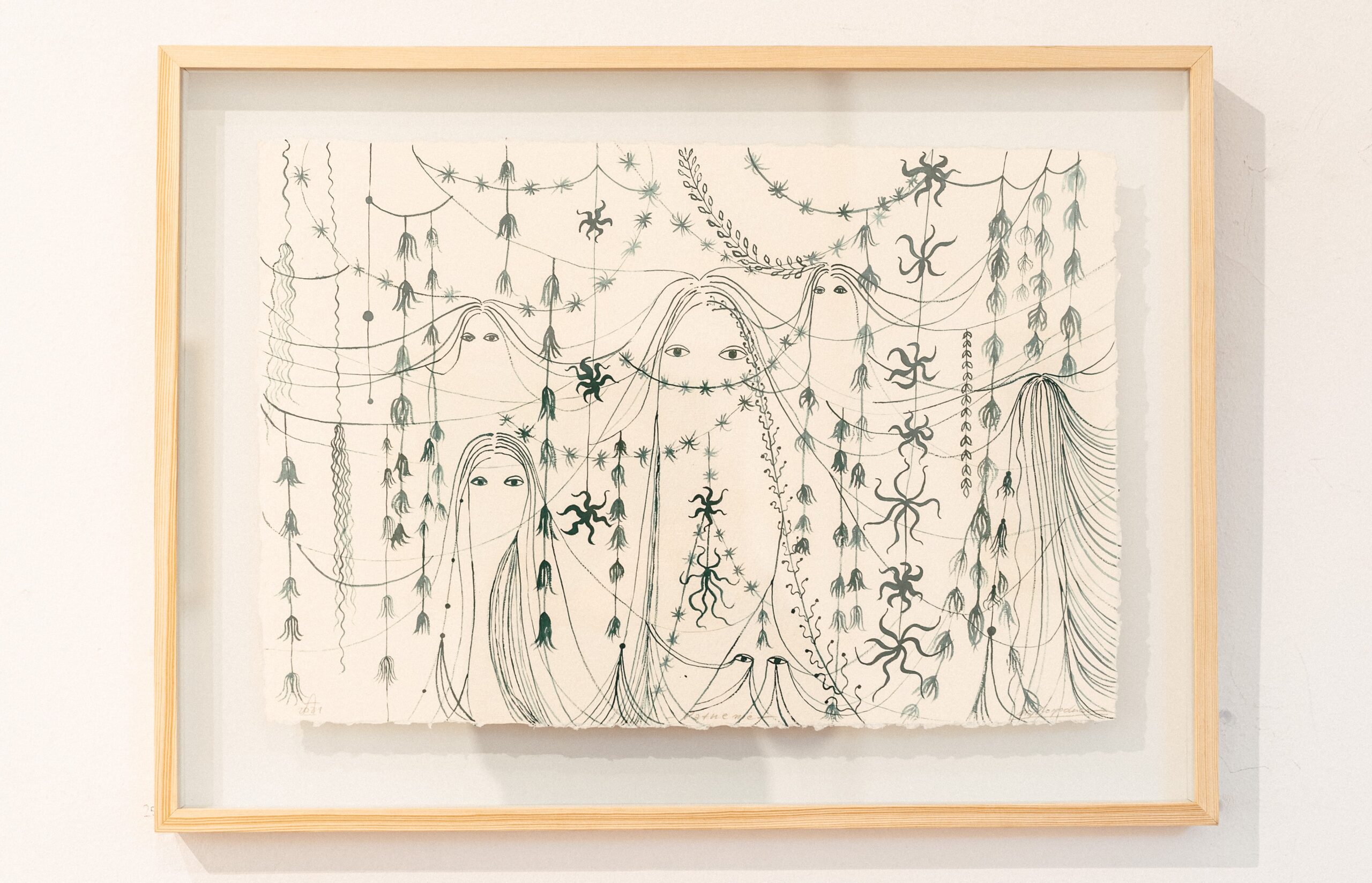
Fairy tales often present a stereotypical image of gender roles, and the fates of protagonists are gender-specific. Among the female characters there is a clear division into girlish, submissive, self-sacrificing, young and beautiful heroines, whose lives are not easy, and who come to their happy ends painfully battered. On the opposite side, there are autonomous, knowledgeable and skillful women: witches and stepmothers, portrayed as repulsive and evil to the bone. None of the characters, active or passive, good or bad, has it easy. Aware of the oppressive nature of popular fairy tales, the artist turns towards the female characters and develops their stories, explores their personalities, and above all accentuates female relationships and connections. She draws the safety net that women create for each other. She creates a whole new chapter of the little mermaid tale, a one that depicts the bond of sisters who grow up together in the underwater world, sharing activities, adventures, pleasures, and experiences. As a community, they support each other in times of trouble and act together in the face of danger. In unity lies their strength.
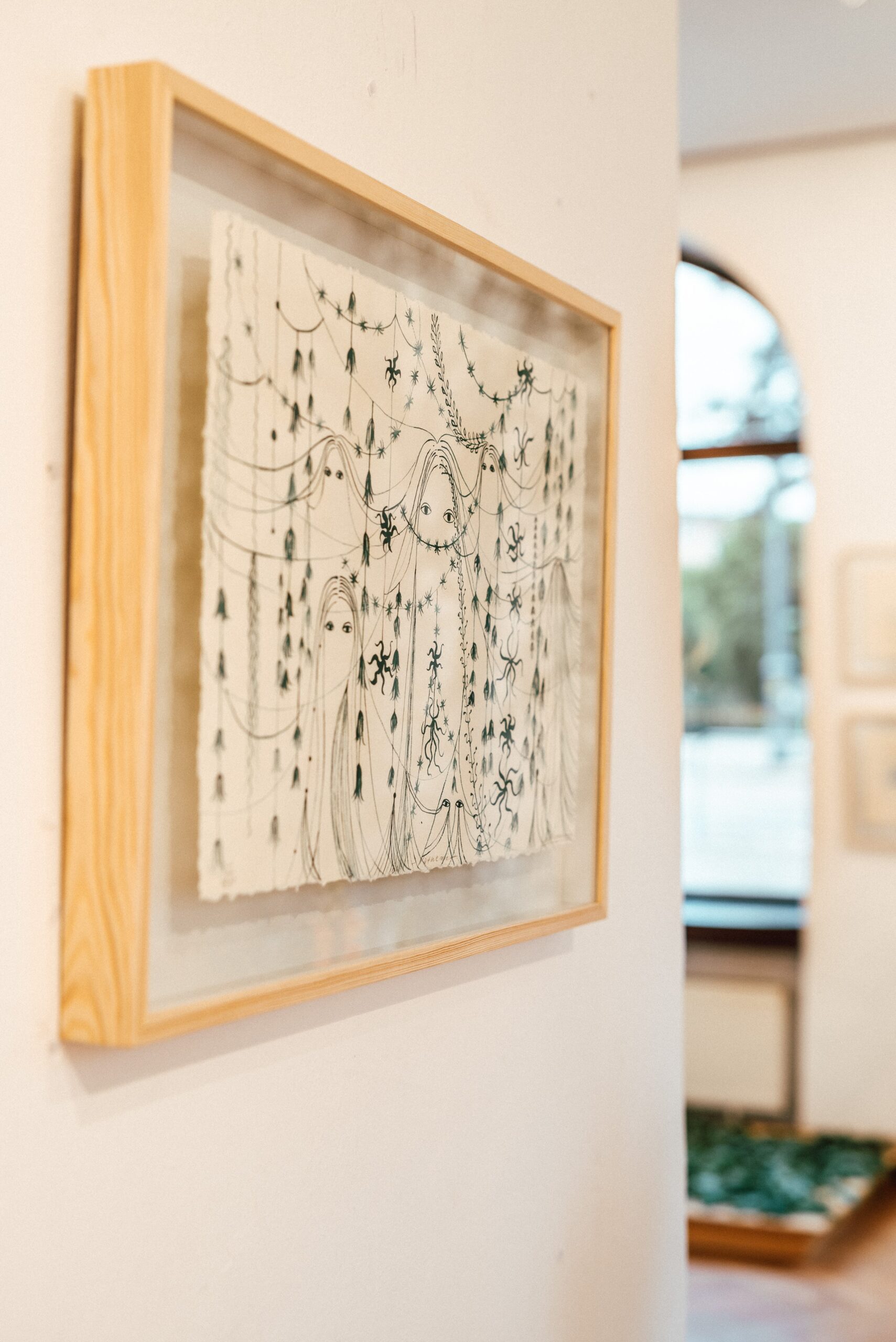
Tree-women, known from the series Wild Suns (2016), also make part of this exhibition. The forest is the setting of many fairy tales, and a very ambiguous area. On the one hand, it is a familiar and accustomed space, a stage of a journey or a place of work. On the other, a dark and dangerous habitat of supernatural creatures and lurking demons. A refuge and an abyss at the same time. In this space the protagonists often undergo transformation, their fate is reversed there, so the forest becomes a ritual passage, a breakthrough moment. The forest of tree-women is the space of women’s community and genealogy, where the past comes together with the present and the future in a continuous natural cycle.
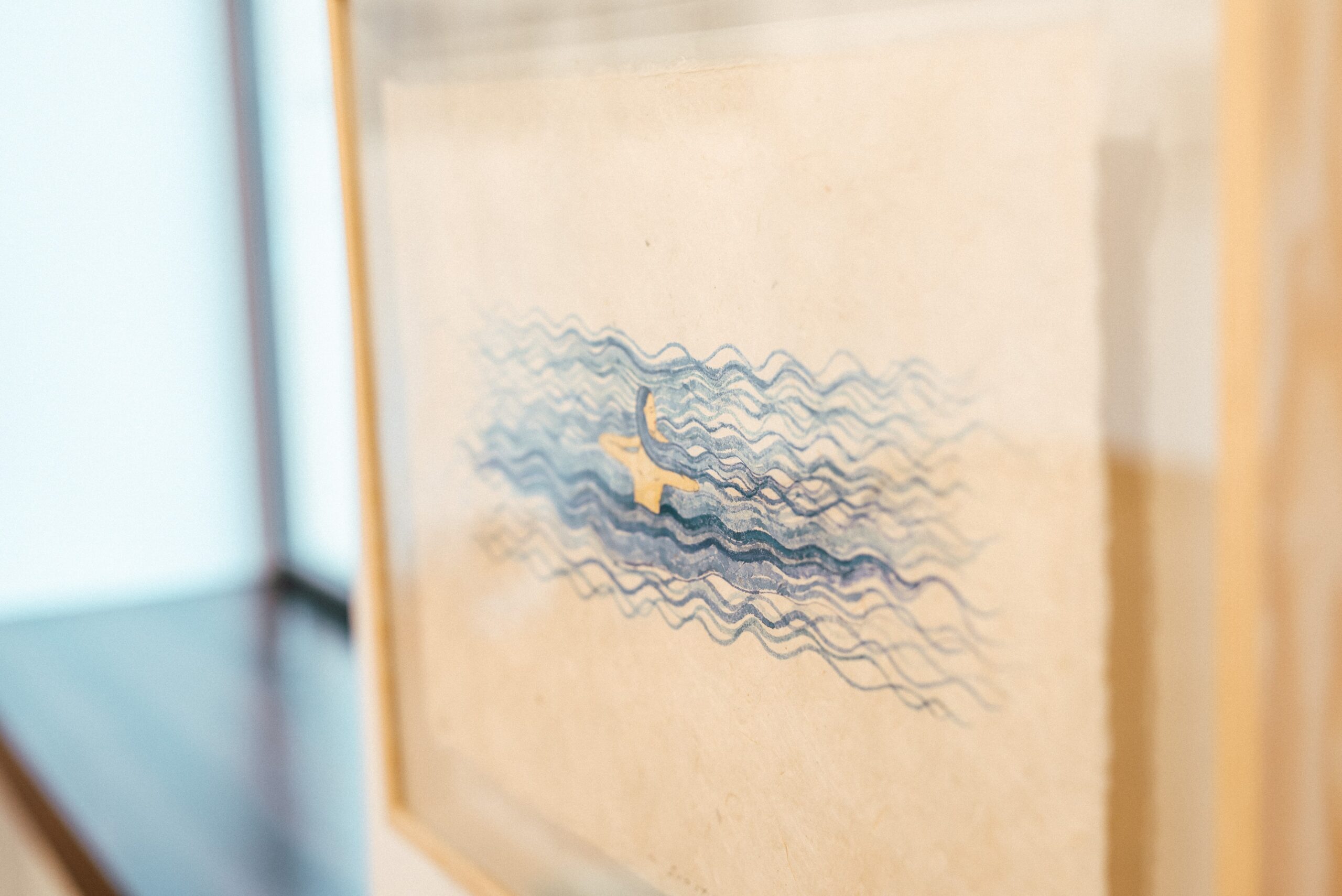
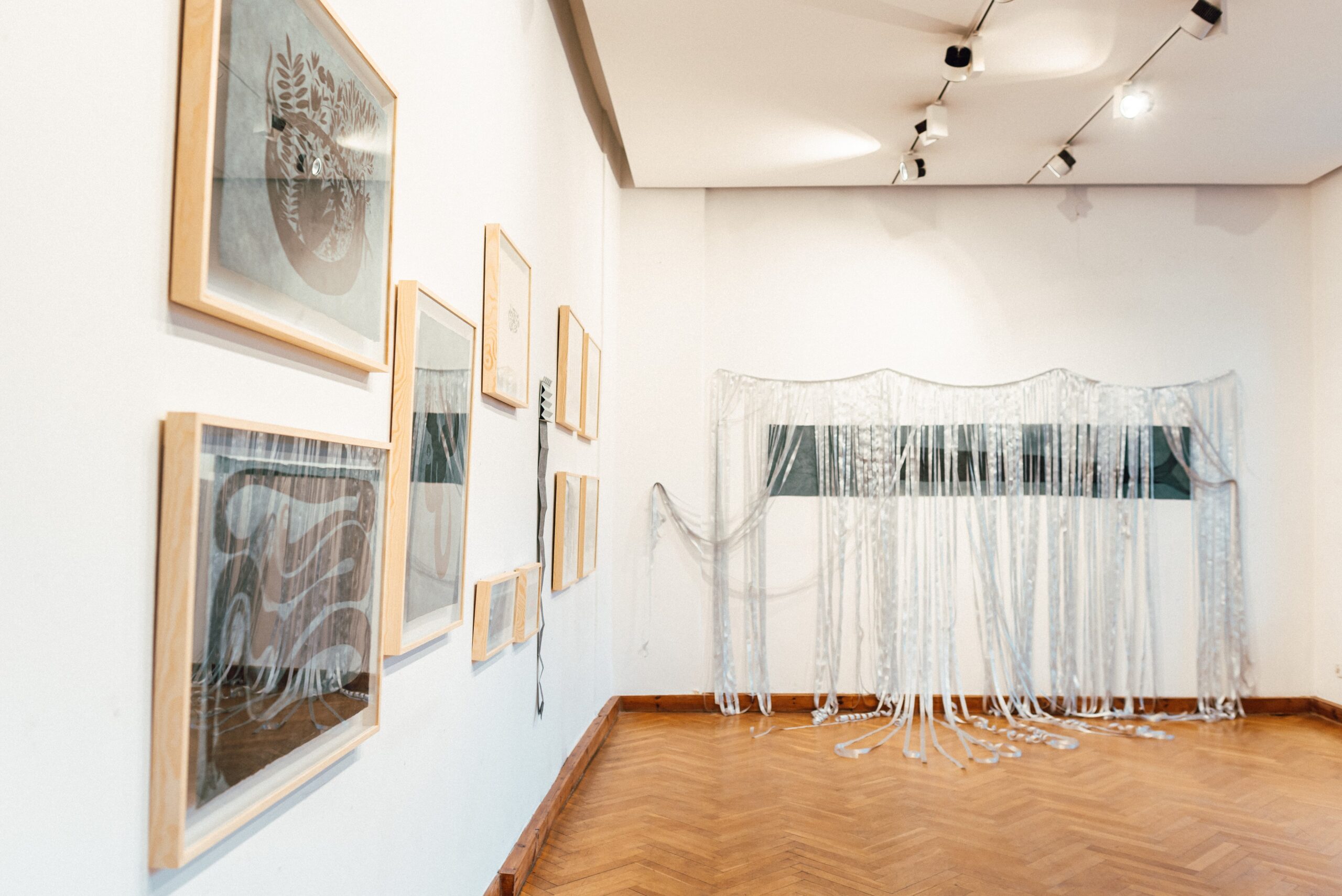
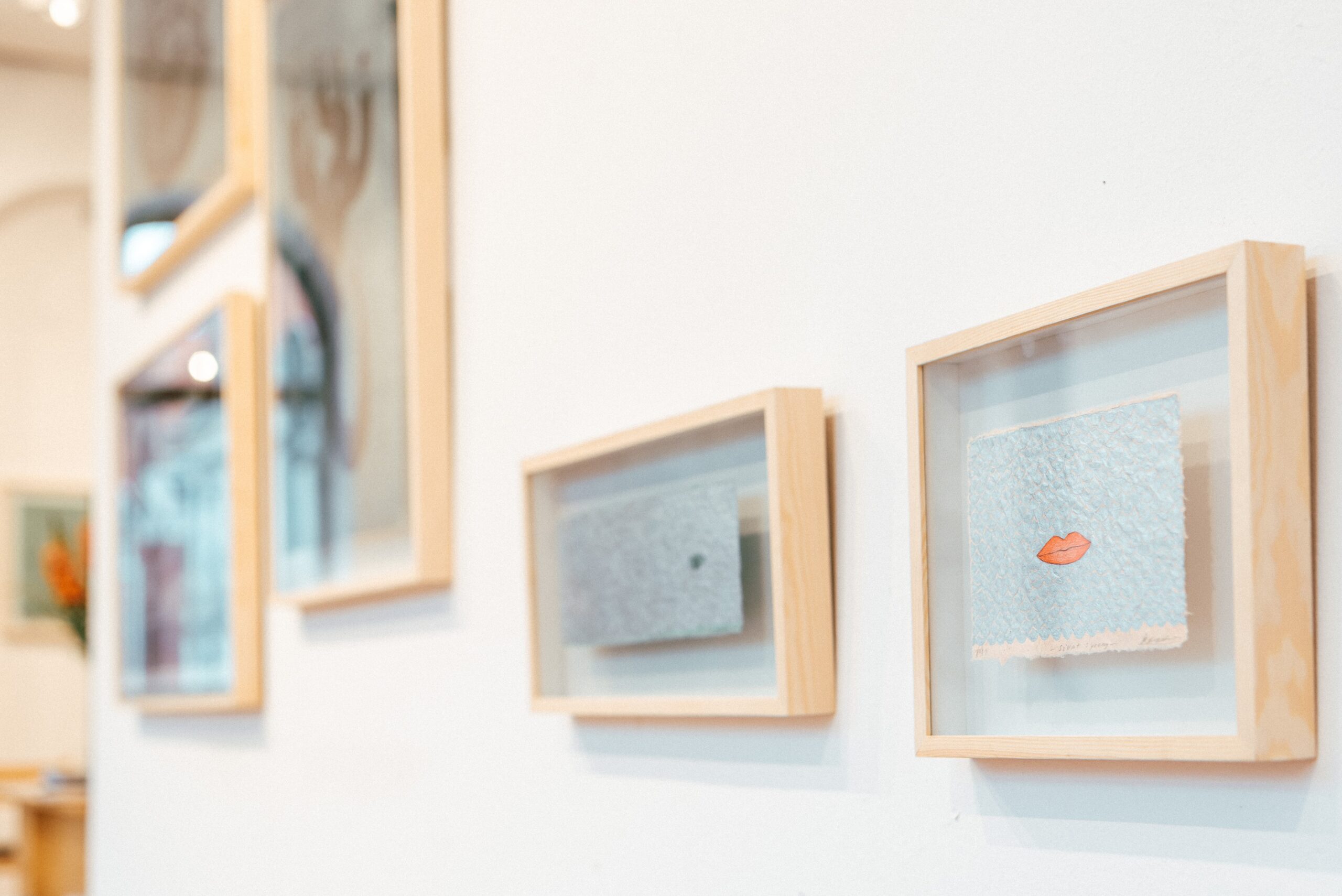
The SISTERS exhibition is the work of a mature and fully formed artist. While constantly surprising us with her explorations, Niespodziewana remains faithful to the themes and ideas she constantly undertakes in her art. The works that make up this project are drawings made on Nepalese lokta paper and Japanese kozo paper. These papers are handmade, organic, textured, delicate and are an integral part of the work. This is one of the artist’s trademarks, present in her art for many years, regardless of the subject matter undertaken. On these and other handmade papers, she drew the fates of Madame Butterfly (2013), as well as the aforementioned heroines and protagonists of the exhibition Wild Suns (2016). The art of paper was also the topic of the exhibition Washi no fushigi. The Mystery of Paper (2019) at the Manggha Museum of Japanese Art and Technology in Krakow, Poland, in which Niespodziewana participated with two other artists. The theme of fairy tales has been present in the artist’s work too. In the series Fairy Tales (2010) we saw linocuts depicting heroines such as Thumbelina, Little Red Riding Hood and Snow White, while the exhibition Wicked (2014) dealt with the other side of fairy-tale femininity.
Hair is another motif which has accompanied Niespodziewana practically from the beginning of her artistic path. Long, black, wavy and entangled hair appear in drawings, prints and spatial works. Hairstyles of Violetta Villas or Amy Winehouse drawn on huge handmade papers, a tablecloth embroidered with hair, shown at the Wrocław Contemporary Museum in the exhibition The Day is Too Short (2013), hair becoming tree roots and branches or long, wave-like hair of mermaids.
Consistently for years, Niespodziewana has also been telling a story about women, sisterhood, the significance of female bonds, thus entering the herstory movement. The artist examines female characters in everyday life, in fairy tales and legends, as well as in art history [projects on the life and work of Katarzyna Kobro or the exhibition Katarzyna, Erna, Maria at the lokal_30 gallery in Warsaw (2020)]. She debates with hitherto existing narratives and uncovers formerly untold plots. It is also the frame story of the SISTERS project, where Niespodziewana honors fairy-tale heroines, creating more space for them, some new possibilities and giving them back their voice.
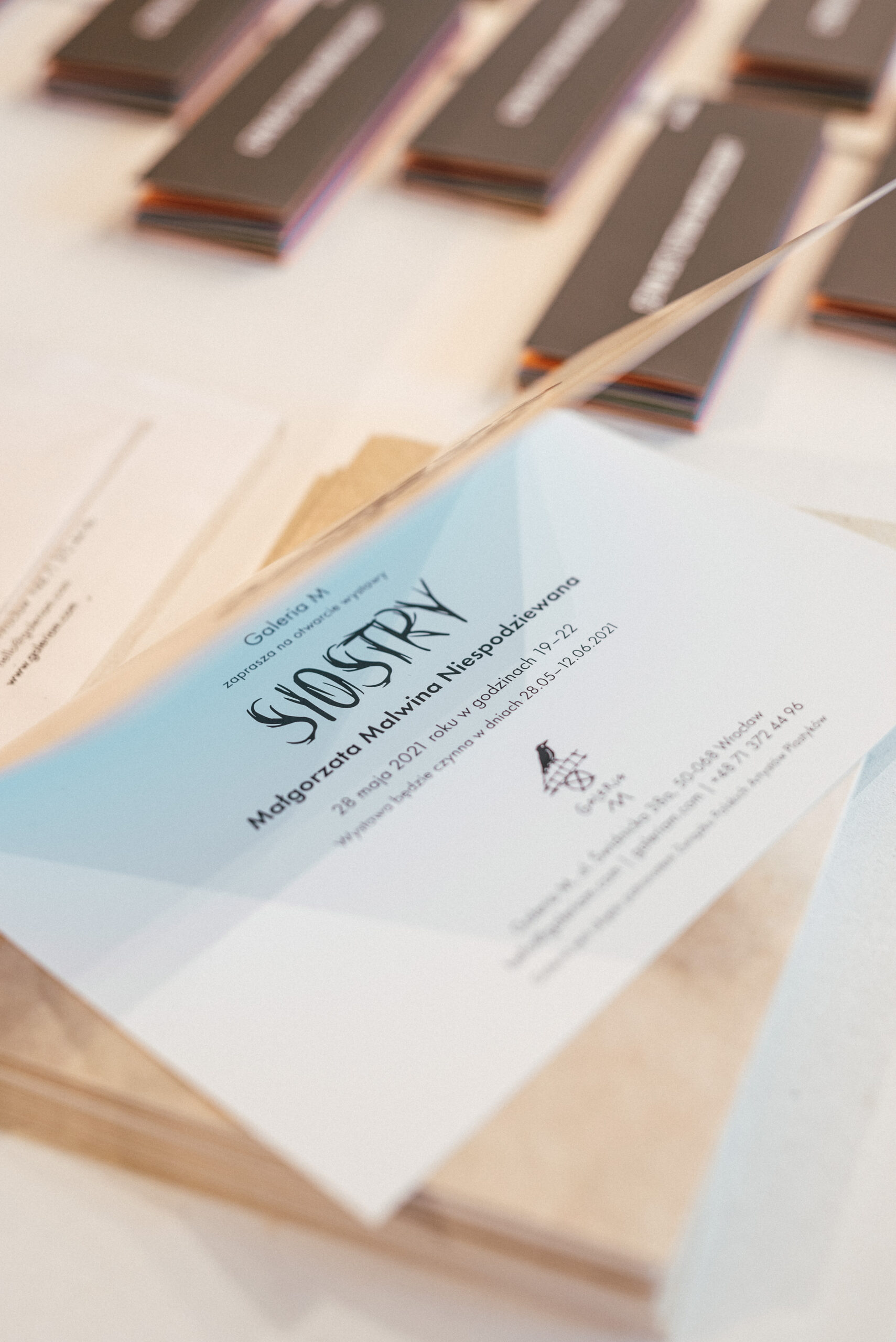
Artist: Małgorzata Malwina Niespodziewana
Exhibition title: Sisters
Curator: Marta Dziedziniewicz
Place: Galeria M
Address: Świdnicka 38a, 50-068 Wrocław
Duration of the exhibition: 28 May– 12 June 2021
Opening: Friday 28 May 2021 at 19:00